The younger generation isn’t naive about the future, they’re optimistic about solving crises. From research from the UN, three quarters of the youth surveyed want their governments to address climate change. With this, children are genuinely more trusting in their governments. For this reason, it was discovered childhood livelihood was improved from their parent’s generation in cases of healthcare, education, and physical safety. International problems are being pursued by the youth with partnership with their governments, and concerns for the future has the younger generation a part of the solution.
“I’ve seen the bad sides of the world, due to social isolation from COVID, we’ve all seen the downfall,” Sophomore LJ Chiong said. “So many have been exposed to so many bad things in our childhood that we realized a lot of things need to be fixed, and it’s our turn to revolutionize the world.”
The voices and experiences of the younger generation are also heard. Research from HopeLab suggests that the rising generation’s worst concerns are losing the people they love the most and democracy. On top of this, societal pressures also play a role; 55% reported their mental health was stable, while 45% who struggle to meet basic expenses have poorer mental health. 48% of the rising generation, though, know their loved ones want them to succeed in life, and 41% believe the future is better than the past. Younger people are aware of discrimination online and offline, and want cooperation with the older generations to bring prosperity to the wellness of life for generations beyond them.
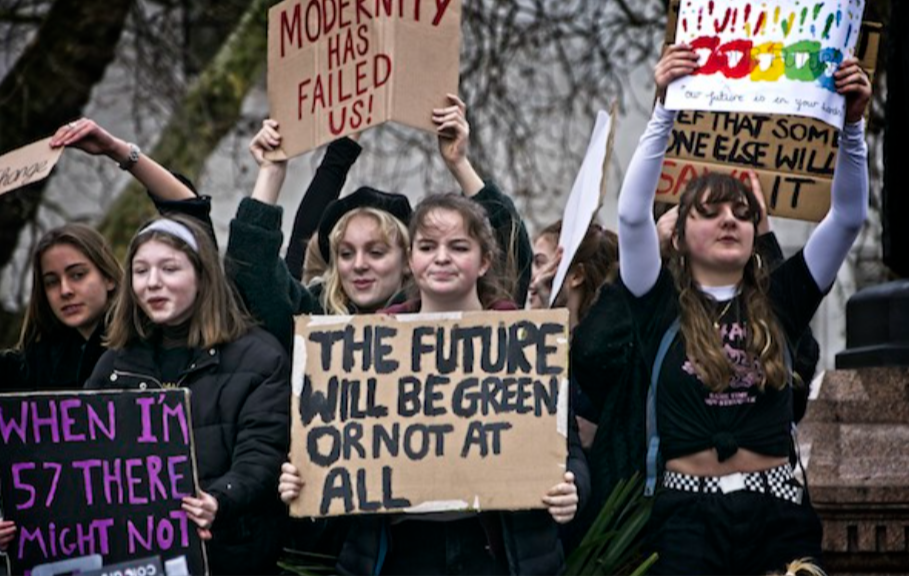
By protests, embracing mental challenges, and awareness of social order, the younger generation is more vocal and revolutionary to tackling global crises. They aren’t scared, they’re the beginning of reversing detrimental catastrophes that the older generation is biased in. The youth taught themselves how an isolated world is an unethical one, and the path was paved for them to stop the damage.